





BEYOND THE CONFERENCE: DELHI
Delhi
Delhi is a city where centuries of history meet modern energy, where imperial monuments stand beside vibrant markets, and where every corner tells a story. While attending ISSICON 2026, delegates and guests have the opportunity to explore one of the world’s most fascinating capitals. From UNESCO heritage landmarks and architectural marvels to culinary adventures and cosmopolitan districts, Delhi offers experiences beyond the conference halls.
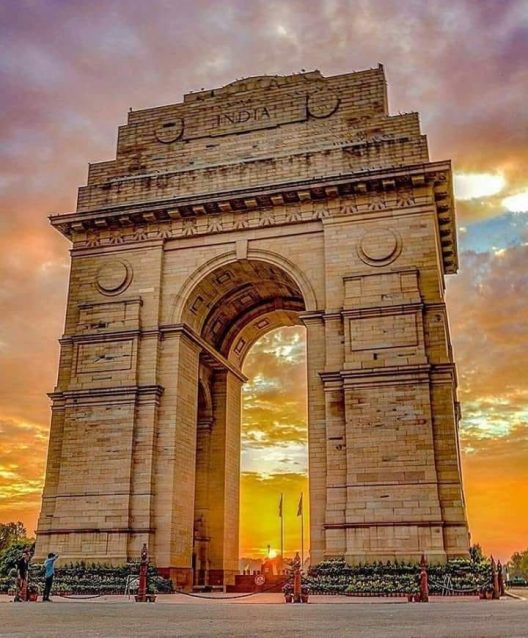
INDIA GATE
Standing proudly in the heart of New Delhi, India Gate is one of the city’s most iconic landmarks and an enduring symbol of national pride. Designed by Sir Edwin Lutyens and completed in 1931, the monument was built as a memorial to Indian soldiers who lost their lives during World War I and the Third Anglo-Afghan War. Today, it remains one of the most visited sites in the capital and a place of reflection, patriotism, and civic identity.
Located along the grand ceremonial boulevard now known as Kartavya Path, India Gate is surrounded by expansive lawns, fountains, and beautifully planned avenues that reflect the elegance of Lutyens’ Delhi. The area is especially lively during the evenings, when families gather, visitors stroll under the lights, and the monument glows against the night sky.
The experience of visiting India Gate is more than just sightseeing—it is an immersion into the public life of Delhi. Street vendors, ice cream carts, local snacks, and the open spaces make it one of the city’s most enjoyable public destinations. Nearby landmarks include Rashtrapati Bhavan, Parliament House, and the National War Memorial.
For conference delegates with limited time, an evening visit to India Gate offers the perfect introduction to Delhi’s spirit, history, and grandeur.
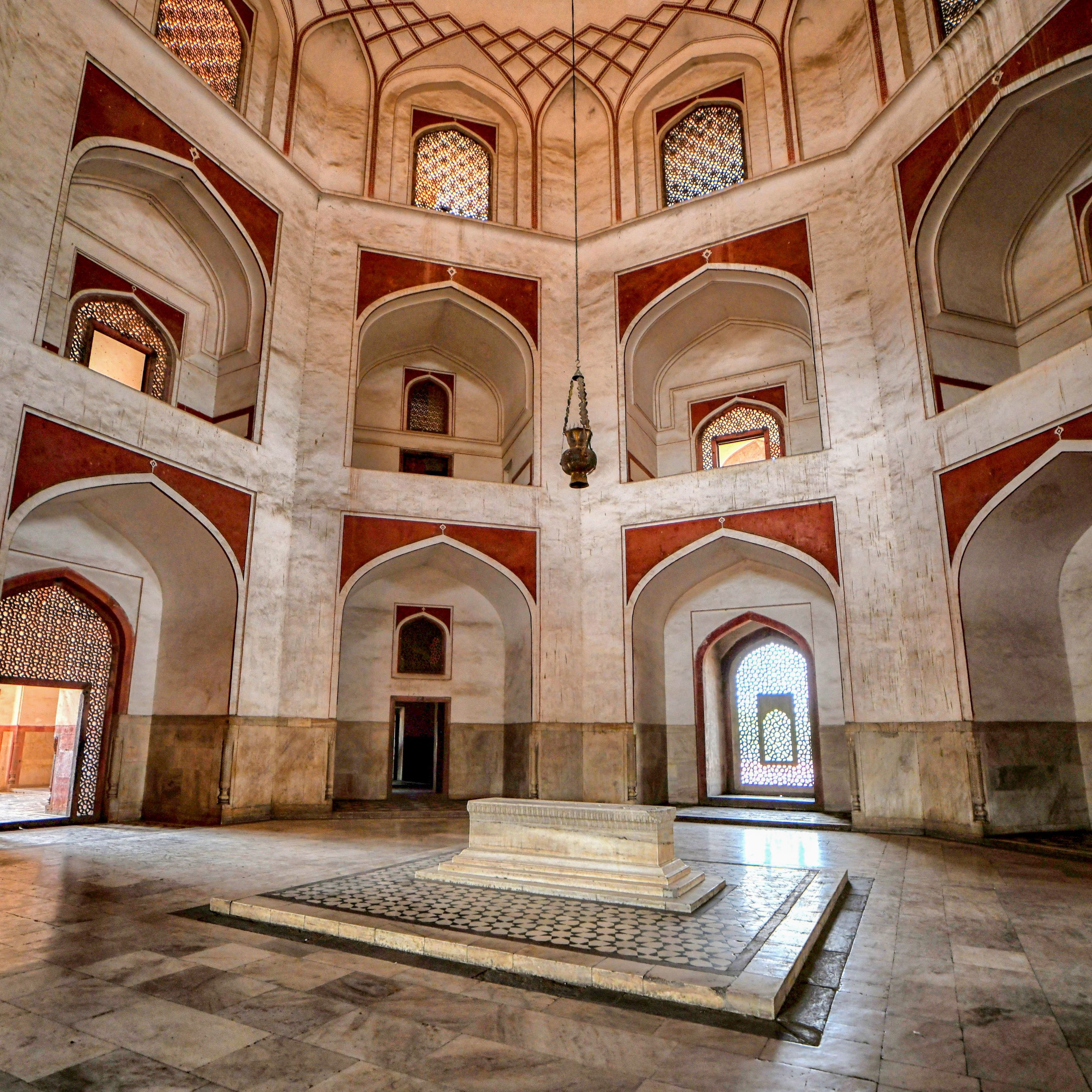
HUMAYUN’S TOMB
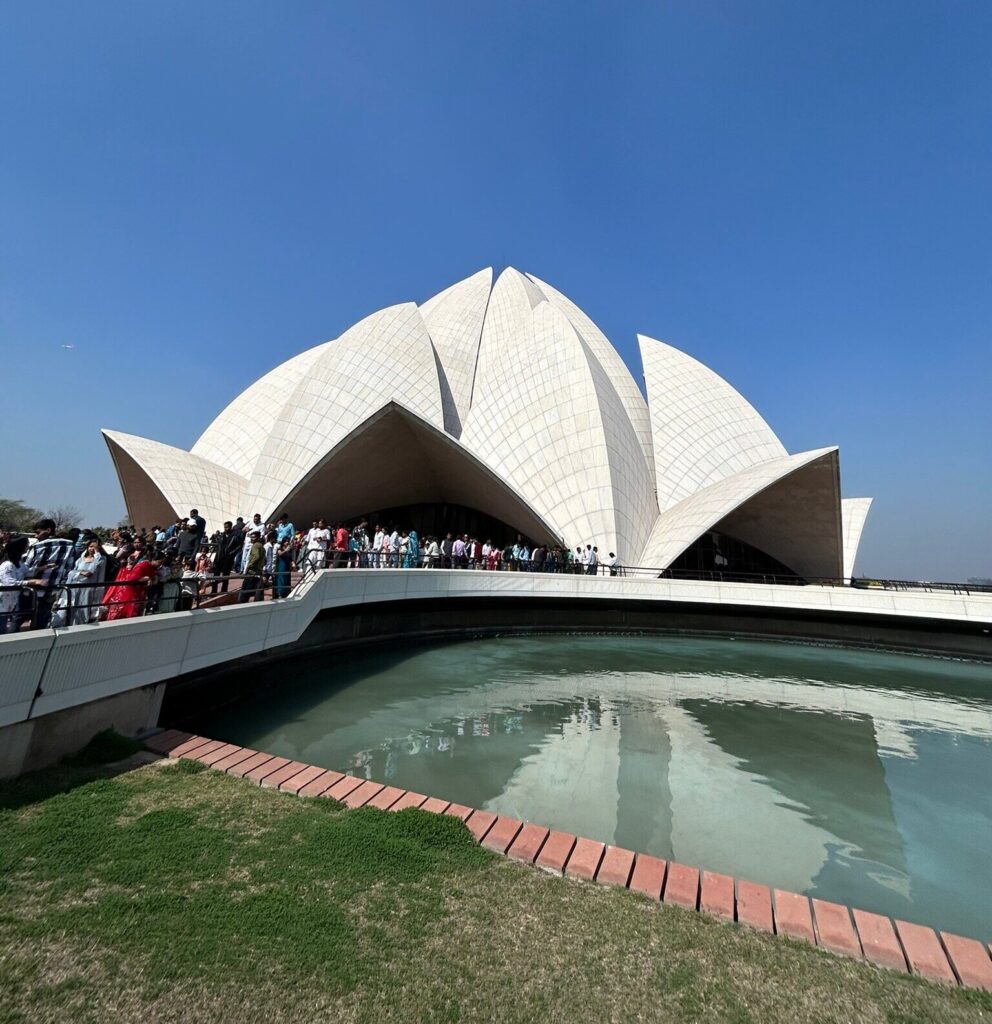
LOTUS TEMPLE
The Lotus Temple is one of Delhi’s most recognisable modern landmarks and among the most visited buildings in the world. Completed in 1986, the temple belongs to the Baháʼí Faith and welcomes people of all religions, beliefs, and backgrounds. Its message is one of unity, peace, and universal fellowship.
Designed in the shape of a blooming lotus flower, the structure is composed of 27 marble-clad petals arranged in clusters, creating a breathtaking architectural form. Surrounded by tranquil gardens and reflective pools, the temple stands as both a place of worship and a celebrated example of contemporary design.
Unlike many religious sites, the Lotus Temple contains no idols, rituals, or ceremonies. Visitors enter a vast silent prayer hall where individuals are invited to meditate, reflect, or simply experience stillness. This makes it especially meaningful for international visitors seeking a calm and inclusive spiritual environment.
For delegates balancing a busy conference schedule, the Lotus Temple offers a refreshing pause—an opportunity to reconnect with quietness amid the energy of the city.
CONNAUGHT PLACE
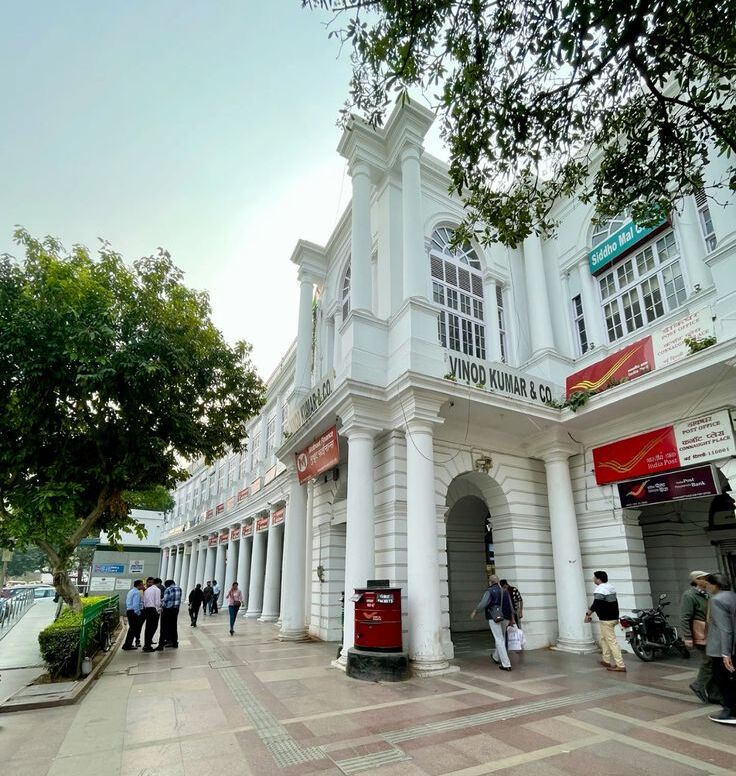
Known locally as CP, Connaught Place is the commercial and cultural heart of New Delhi. Built in the 1930s and inspired by Georgian architecture, this circular district remains one of the city’s most vibrant destinations for shopping, dining, entertainment, and urban exploration.
Its elegant white colonnades house a dynamic mix of luxury brands, independent boutiques, cafés, bookstores, restaurants, and business offices. Beneath the surface lies Palika Bazaar, a famous underground market known for bargains, electronics, and local retail culture.
Connaught Place is also one of the best places to experience Delhi’s cosmopolitan lifestyle. By day, it is bustling with professionals and shoppers. By evening, it transforms into a lively social hub filled with restaurants, rooftop lounges, live music venues, and cafés. It is also centrally located and well connected to major parts of the city through the Delhi Metro.
For international and domestic delegates alike, Connaught Place is ideal for business meetings, casual outings, souvenir shopping, and experiencing modern Delhi at its energetic best.
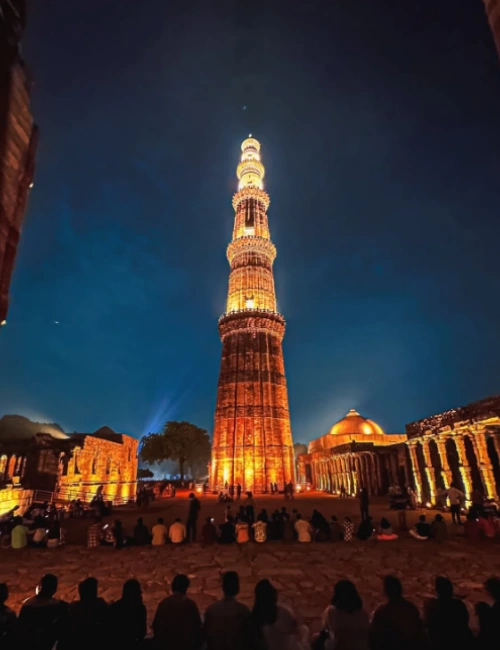
QUTUB MINAR
Towering above the southern skyline of Delhi, Qutub Minar is one of India’s most celebrated historical monuments and a UNESCO World Heritage Site. Constructed in the late 12th century, the minaret rises over 72 metres and remains one of the tallest brick towers in the world.
Built by Qutb-ud-din Aibak and completed by subsequent rulers, the structure is a masterpiece of Indo-Islamic architecture. Its red sandstone shafts are adorned with intricate carvings, Quranic inscriptions, and decorative balconies. The surrounding Qutub complex contains numerous ancient ruins, including mosques, gateways, tombs, and the famous Iron Pillar, which has resisted corrosion for over 1,600 years.
A visit to Qutub Minar is a journey through the earliest phases of Delhi’s Sultanate history. The landscaped grounds and dramatic scale of the monument make it one of the city’s most rewarding sites for photography and exploration.
For visitors interested in heritage and world history, Qutub Minar offers a memorable glimpse into Delhi’s layered past.
DELHI CUISINE
Delhi is not just a city to visit—it is a city to taste. Its culinary culture reflects centuries of migration, empire, trade, and innovation, making it one of Asia’s great food capitals. From legendary street food stalls to Michelin-recognised fine dining, Delhi offers flavours for every palate.
The city is especially famous for North Indian and Mughlai cuisine. Rich curries, aromatic biryanis, kebabs, butter chicken, nihari, and tandoori specialties can be enjoyed at historic eateries as well as modern restaurants. Equally beloved are Delhi’s street foods—chaat, golgappas, aloo tikki, chole bhature, parathas, and countless local snacks found in bustling markets such as Chandni Chowk and Karol Bagh.
For global travellers, Delhi also offers world-class international dining, contemporary Indian tasting menus, artisanal cafés, and luxury hotel restaurants. Whether enjoying a quick local bite or a refined culinary evening, every meal reflects the city’s diversity and energy.
For ISSICON delegates, exploring Delhi cuisine is more than dining—it is one of the most memorable ways to experience the culture of the capital.





 Total Users : 6017